





The National Agency for Food and Drug Administration and Control has raised fresh concerns over the changing structure of counterfeit trade in Nigeria, saying some Chinese nationals previously involved in supplying fake products from abroad have now established operations inside the country.
NAFDAC said the development has made the fight against counterfeit, adulterated and unsafe products more difficult, as suspected operators are no longer dependent solely on international shipments to move their goods into the Nigerian market.
The agency’s Director of Investigation and Enforcement, Martins Iluyomade, disclosed this in Lagos, explaining that investigations had uncovered what he described as a new pattern in which suspected counterfeiters operate through locally based production and distribution networks.
According to Iluyomade, counterfeiters can now identify products that are popular in the Nigerian market, arrange for them to be reproduced abroad and coordinate their distribution through networks operating within Nigeria.
He said the development represented a significant shift from the traditional pattern in which counterfeit goods were produced overseas and imported by Nigerian traders.
The NAFDAC official also alleged that some of the logistics companies being used to move counterfeit products are owned or controlled by Chinese nationals involved in the trade.
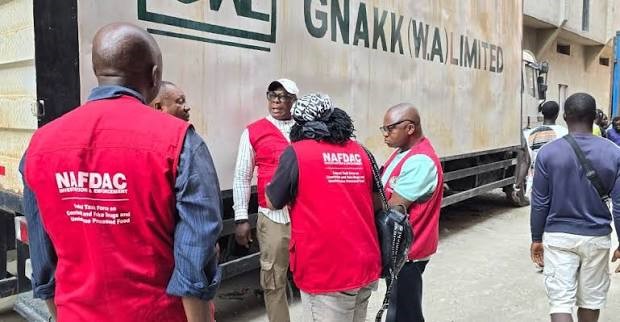
He said the agency had begun shutting down logistics companies identified as being connected to the distribution of counterfeit products.
The warning comes as Nigerian regulators increasingly focus on the supply chains through which fake medicines, cosmetics, food products and other regulated goods reach consumers. In June, Iluyomade warned airlines, shipping companies and logistics providers that facilitate the movement of counterfeit products into Nigeria that they could face prosecution.
NAFDAC’s concerns extend beyond the traditional question of where counterfeit goods are manufactured. The agency is increasingly targeting the networks responsible for their transportation, warehousing and distribution.
The development also highlights the growing complexity of Nigeria’s counterfeit market. A 2026 academic study published in American Anthropologist examined the longstanding relationship between Chinese manufacturing networks and Nigerian markets, particularly in cosmetics and personal-care products. The research documented how Chinese-made copies and locally distributed variants have become deeply embedded in Nigerian commercial networks.
For consumers, the consequences can be serious, particularly where counterfeit products involve medicines, food, cosmetics or other products capable of causing direct harm.
NAFDAC has therefore continued to work with other enforcement agencies, including the Nigeria Customs Service and security organisations, to disrupt supply chains and identify businesses involved in the movement of illicit products. The agency has also warned logistics operators that knowingly or negligently facilitating counterfeit imports could attract criminal sanctions.
The latest disclosure suggests that the regulatory challenge is evolving from simply intercepting fake products at Nigeria’s borders to dismantling the networks that manufacture, finance, transport and distribute them after they enter the country.
With counterfeiters increasingly adapting their methods, NAFDAC’s enforcement strategy will have to keep pace with the changing structure of the illicit trade, particularly the use of logistics companies and other legitimate-looking commercial channels to move unsafe products to consumers.
See also:
Nigerian-British businessman dies after penis enlargement procedure in Thailand
Osinbajo Raises Alarm Over Chemicals in Fruits After Wife’s Orange Juice Fails Lab Test
Waka Community Partners SoleScale to Promote Healthier Walking