



Tinubu Says Reforms Put Nigeria on Course for $1tn Economy by 2030
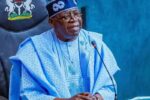
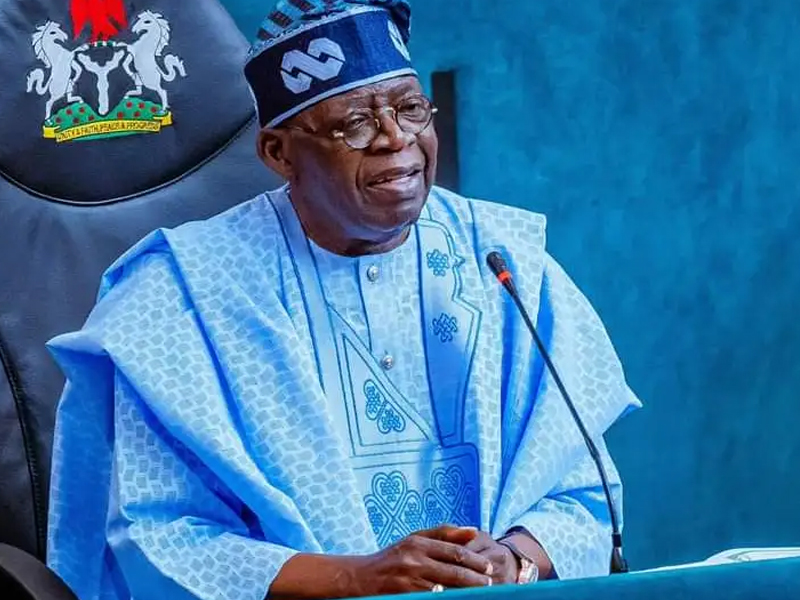
President Bola Tinubu says the economic reforms introduced by his administration have put Nigeria on course to achieve a $1tn economy by 2030.
Tinubu made the statement on Tuesday while addressing the second edition of the Asiwaju Scorecard Series and Policy Roundtable in Abuja. He was represented at the event by the National Chairman of the All Progressives Congress, Prof. Nentawe Yilwatda.
The President said the reforms carried out since he took office had strengthened the foundation for economic growth, macroeconomic stability and long-term development.
His administration’s reform programme began shortly after his inauguration on May 29, 2023, with the removal of the petrol subsidy and changes to the foreign exchange market.
The decisions led to sharp increases in fuel, transportation and other living costs, triggering criticism from Nigerians. The Federal Government has maintained that the measures were necessary to address structural problems that had weakened the economy for years.
Tinubu’s administration has continued to point to improvements in key economic indicators as evidence that the reforms are beginning to produce results.
Speaking on behalf of the President, Yilwatda said Nigeria’s external reserves had climbed to about $52.7bn by August 2026.
He also said consolidated non-oil revenue rose from about N13.63tn in 2023 to N16.4tn in the first half of 2026.
Nigeria’s trade position has also improved, according to the APC chairman. He said the country recorded a merchandise trade surplus of about N44.8bn in the whole of 2023, compared with approximately N7.54tn in the first quarter of 2026.
He further put the country’s inflation rate at about 15.4 per cent.
The National Bureau of Statistics reported that Nigeria’s economy grew by 4.43 per cent year-on-year in the second quarter of 2026, compared with 3.89 per cent in the first quarter.
Despite the improvement, the growth rate remains below the Federal Government’s target of achieving 7 per cent annual growth by 2027.
The plan to build a $1tn economy by 2030 was also included in the Federal Government’s Medium-Term National Development Plan for 2026–2030.
The government says achieving the target will require increased investment, stronger industrial production and expansion of Nigeria’s productive capacity.
The Federal Ministry of Finance has linked the ambition to fiscal and tax reforms, industrialisation, power-sector improvements, better security, public-asset optimisation and investment in human capital.
Government officials have said the economy would need to grow by more than 7 per cent, while formal employment, productivity and non-oil exports would also have to increase substantially.
The International Monetary Fund has recognised progress from the reforms, particularly in areas such as fiscal stability, foreign-exchange market operations and the rebuilding of Nigeria’s external buffers.
However, the improvement in macroeconomic figures has not removed the financial pressure faced by many households.
The removal of the petrol subsidy and changes in the foreign exchange market contributed to higher fuel and transportation costs, with the effects spreading across food prices and other areas of household spending.
Yilwatda acknowledged that stronger economic figures would not be enough to convince Nigerians that the reforms are working.
According to him, the real measure of progress will be whether the changes lead to lower food prices, more employment opportunities, affordable credit, reliable electricity and improved purchasing power.
The government has consequently tied the $1tn ambition to broader economic outcomes, including higher production, increased exports, infrastructure development, investment and job creation.
With 2030 approaching, the administration will face pressure to ensure that improvements in economic indicators translate into better living conditions for Nigerians.