
The Federal Government may spend about N2tn on electricity subsidies in 2026 as it maintains its decision not to increase electricity tariffs in the immediate term.
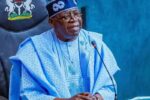
Minister of Power Joseph Tegbe disclosed the position on Monday during a media briefing in Abuja to mark his first 100 days in office. He said the government was focused on building a commercially viable electricity market while protecting vulnerable consumers.
“There are no immediate plans to increase electricity tariffs. Our goal is to build a commercially viable power sector while protecting vulnerable consumers,” Tegbe said.
The projected subsidy burden follows the N1.93tn subsidy obligation recorded in 2025, according to the Nigerian Electricity Regulatory Commission’s 2025 Annual Report. NERC’s report is the regulator’s official annual assessment of the Nigerian Electricity Supply Industry.
NERC said the 2025 subsidy represented 57.44 per cent of the total Nigerian Bulk Electricity Trading invoice, averaging about N160.69bn monthly. The subsidy arises because the tariffs permitted for consumers remain below the cost-reflective rates required to cover the cost of supplying electricity. The Federal Government covers the resulting gap.
The decision to keep tariffs unchanged means the government is likely to continue absorbing a substantial portion of electricity costs while the sector struggles with problems including inadequate gas supply, ageing generation infrastructure, transmission constraints, revenue shortfalls and poor payment discipline.
Tegbe said his first 100 days in office had focused on diagnosing problems across the electricity value chain, stabilising existing infrastructure and restoring discipline to the market. He disclosed that power generation companies were receiving only about 27 per cent of their bills, weakening their ability to maintain generating plants and meet gas-payment obligations.
The subsidy issue has also attracted concern from power-sector operators. The Association of Power Generation Companies has warned that outstanding liabilities could continue accumulating despite the Federal Government’s proposed N4tn power-sector debt reduction programme. The association has argued that a sustainable subsidy framework would require the government to clearly establish how much it can afford and make corresponding budgetary provisions.
The government’s current position contrasts with earlier plans to gradually phase out electricity subsidies from 2027, as part of efforts to restore financial sustainability to the power sector.
For now, the tariff freeze means consumers are shielded from an immediate increase, while the government continues to bear a significant portion of the difference between the cost of supplying electricity and the amount consumers are permitted to pay.