



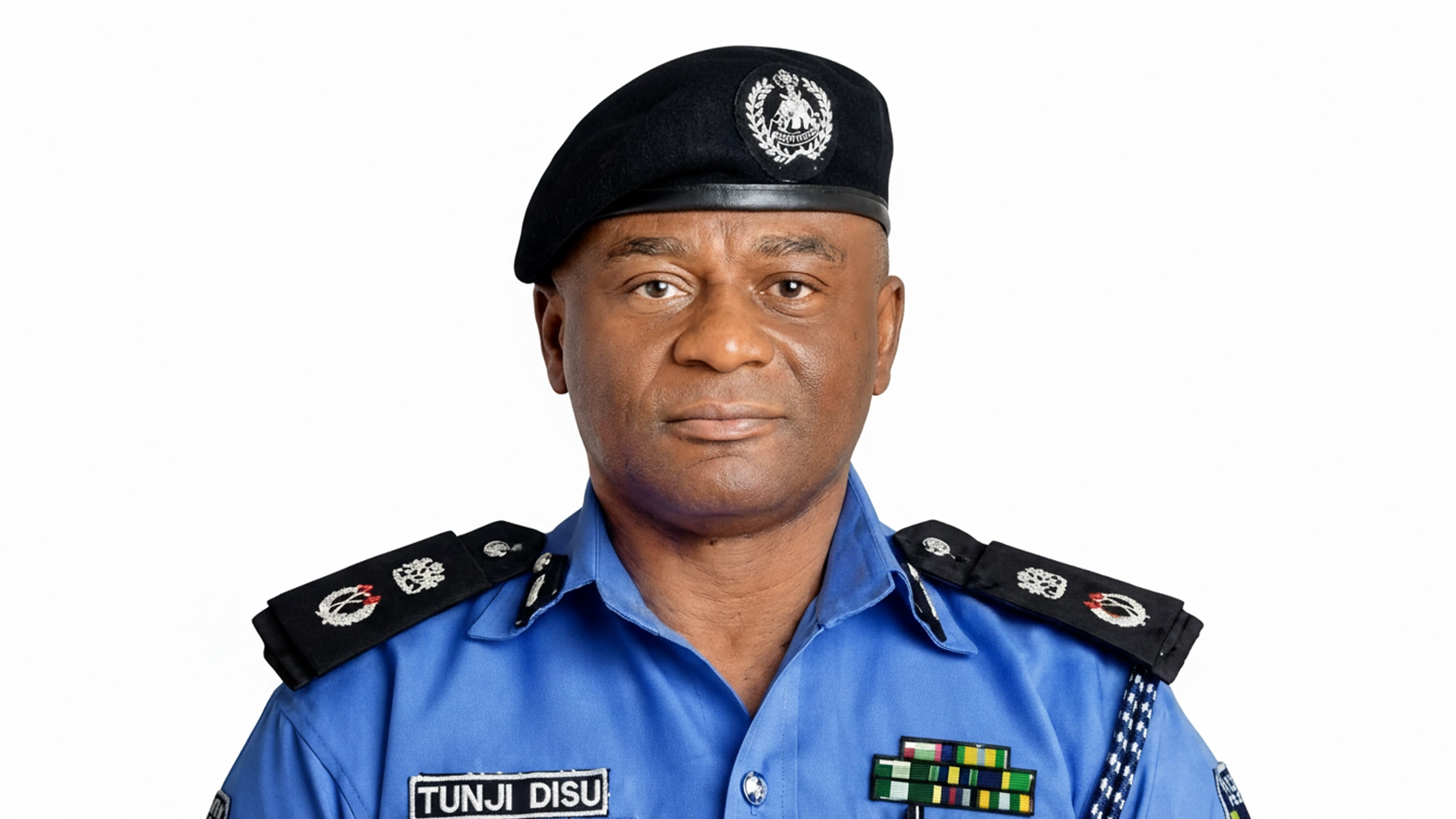
Inspector-General of Police, Tunji Disu, has raised concerns over the increasing practice of Nigerians recording police officers with their mobile phones, particularly when such footage is later turned into social media content, saying the trend is affecting the morale of personnel.
Disu spoke in Abuja during a meeting with the President of the Nigerian Bar Association, Oyinkansola Badejo-Okusanya, and members of the association’s executive committee. The engagement was aimed at improving relations between the police and legal profession and reducing recurring confrontations between lawyers and police officers.
The police chief said a recent court judgment affirming citizens’ right to record officers performing their duties in public had caused concern within the force. He said the ruling appeared to have been followed by an increase in people filming policemen in different circumstances.
Disu said the problem was not simply the act of recording officers during official duties, but what he described as indiscriminate filming and the subsequent use of the footage for entertainment.
He acknowledged that members of the public have a right to record police officers carrying out their responsibilities in public spaces, but urged citizens to exercise restraint.
The IGP said officers should not be turned into entertainment material for skits or social media engagements, particularly where recordings are made outside the context of their official duties.
He cited instances in which police officers were allegedly filmed while eating at restaurants, arguing that such situations went beyond legitimate public scrutiny of police conduct.
The issue follows an earlier warning by Disu in May, when he urged content creators, social media users and media practitioners to exercise caution in recording and circulating police-related videos. He said misleading or decontextualised footage could damage public perception of the force, affect officers’ morale and potentially interfere with security operations.
Disu also pointed to the difficult environments in which many police personnel work. He said officers deployed to checkpoints and other security posts sometimes operate in isolated locations, forests, bushes and highways for extended periods while facing significant security risks.
He argued that the realities of policing should be considered when members of the public scrutinise officers.
The NBA president, however, stressed the importance of maintaining a balance between protecting officers’ privacy and ensuring transparency in policing. Badejo-Okusanya said officers should not be subjected to intrusive recording when they were engaged in private activities, but noted that lawful execution of police duties should remain open to scrutiny.
She referred to the use of body-worn cameras by police officers in the United States as an example of how recording technology could strengthen accountability rather than undermine it.
The disagreement over police recordings comes against the backdrop of broader efforts to improve relations between the Nigeria Police Force and the legal profession. During the meeting, the NBA and police leadership also discussed stronger institutional communication, better handling of professional disagreements and improved cooperation in the justice system.
The controversy therefore highlights a growing tension between two competing principles: the public’s right to scrutinise law enforcement and the need to protect officers from harassment, privacy violations and the misuse of recorded material.